
Hydraulic Repair & Cylinder Rebuilds Across Nevada
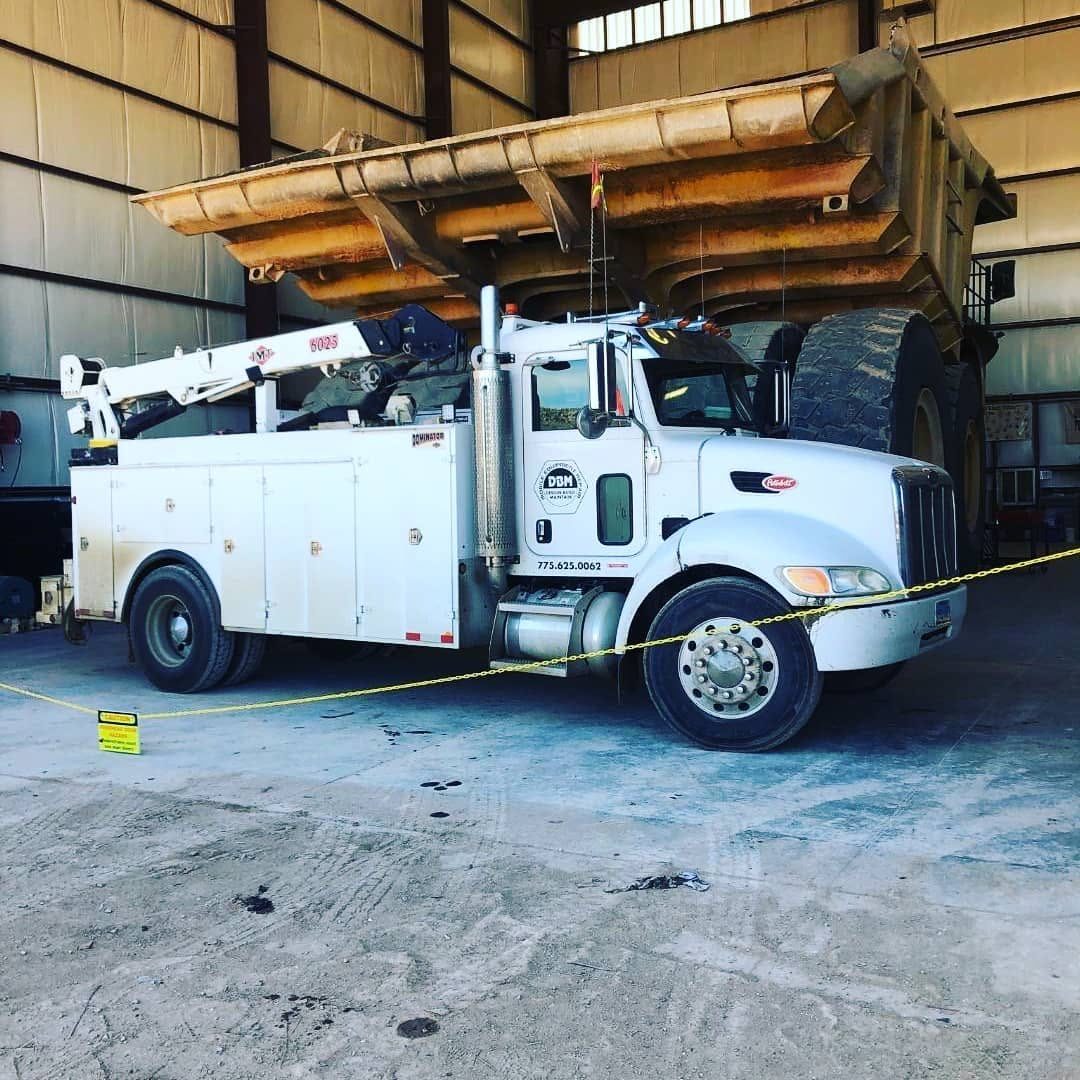
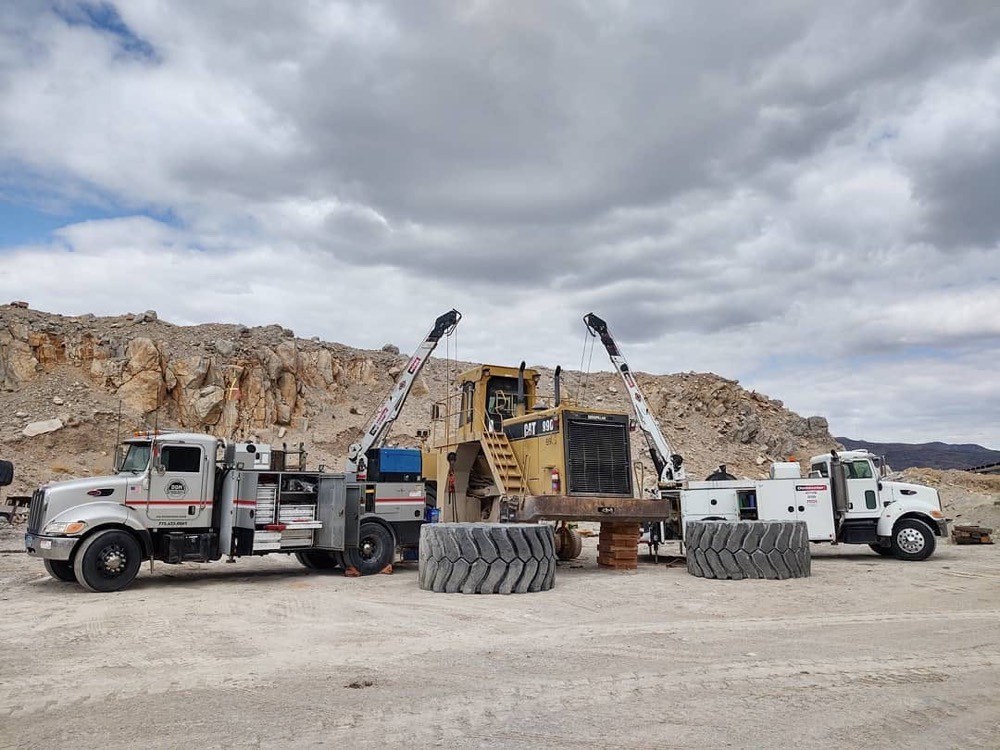
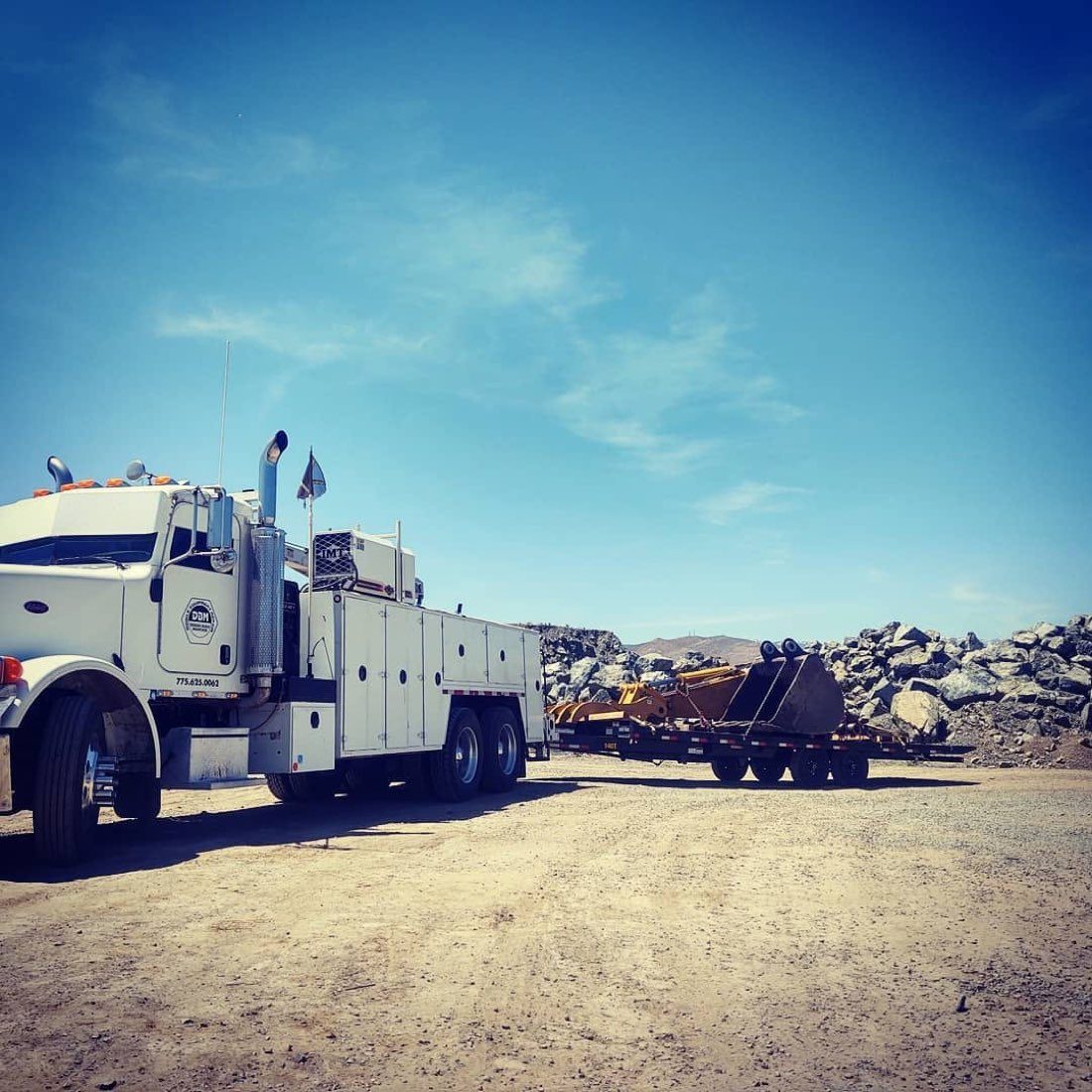
Our field service trucks carry bulk hydraulic hose, a crimper, and pressure test gauges to the machine where it stopped. The technician follows a leak or a weak boom back to the hose, valve, pump, or seal that failed and replaces it on site. Cylinders that need a full rebuild come into our Fernley shop to be resealed and pressure tested.
Choose the answer that fits, and this line tells you whether to call now or send the details.
- Where
- Job sites anywhere in Nevada, and in California from Sacramento to Bakersfield
- Arrival
- Usually the day after you call, sometimes the same day
- Machines
- Any make, including machines we did not sell
Repairs at the Machine & Cylinder Rebuilds in Our Shop
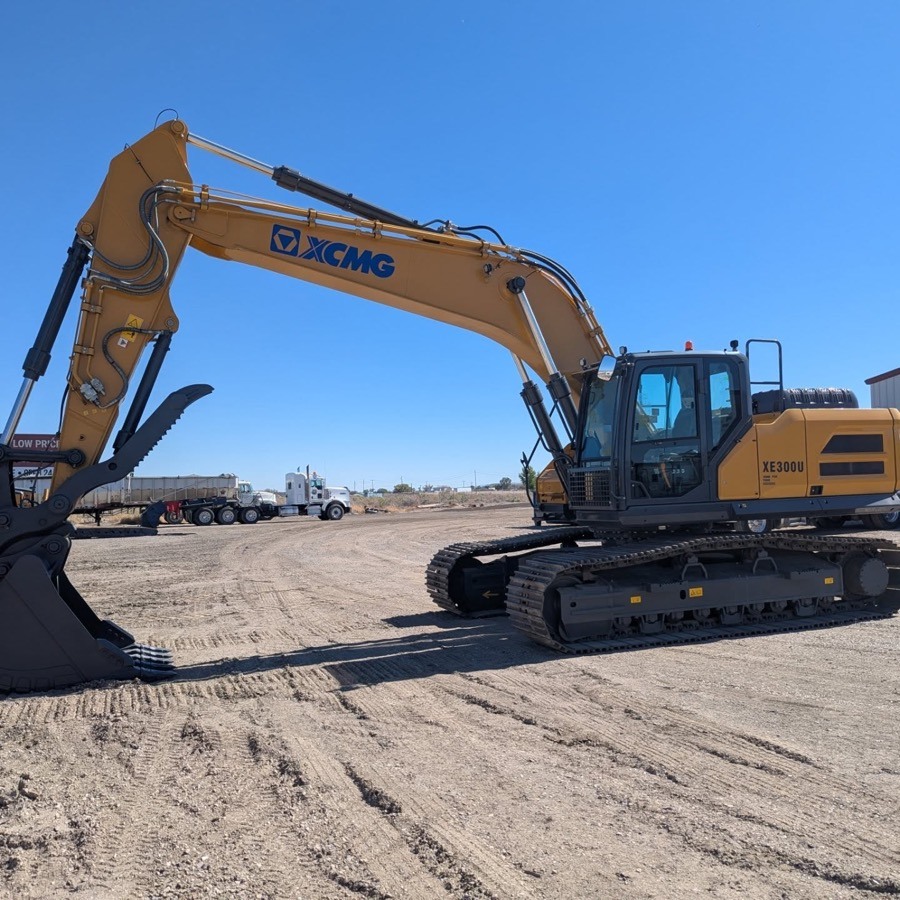
A system repair happens on the machine. The technician traces the fault from the pump through the control valve, the steel lines, and the hoses to the part that failed. For a cylinder rebuild, the technician takes the leaking or drifting cylinder off the machine so it can be taken apart, measured, and resealed on a bench in our Fernley shop. Tap a number on the photo or the drawing to see what the technician checks at that spot.
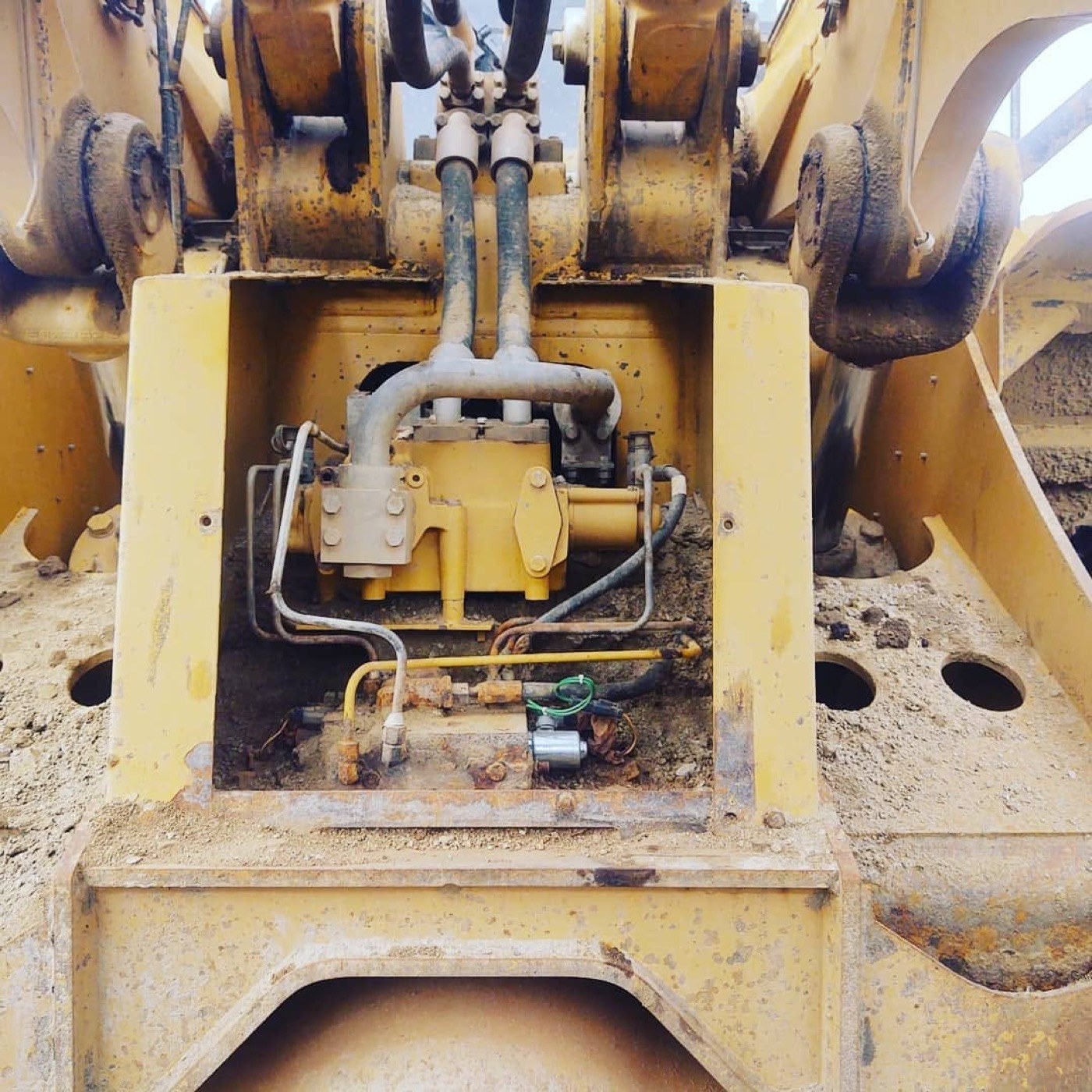
System Repair at the Machine
Most hydraulic faults are repaired where the machine stands, because the failed part is usually a hose, a fitting, a seal, or a valve that the technician can reach and replace in the field.
- Steel lines ReplacedThe technician replaces a cracked, rubbed-through, or leaking steel line and resets the clamps that hold it, so the new line does not chafe through again.
- Control valve Pressure testedThe technician tests pressure at the valve to find a sticking spool, a leaking spool seal, or a relief valve that opens too early. The technician then reseals the valve, resets it to the maker’s setting, or replaces it.
- Hoses & fittings Made on the truckThe technician makes a new hose on the service truck to replace a burst or weeping one, at the original length and pressure rating. A leaking fitting gets new O-rings or is replaced.
- Cylinder & arm mounts Line boredWorn pin bores at the cylinder and arm mounts let a cylinder knock and wear out its seals, so we machine them back to round with our line boring equipment.
Cylinder Rebuild in Our Shop
A cylinder comes off the machine to be rebuilt when it leaks past its rod seal, drifts down under load, or has a bent or scored rod. Resealing a cylinder needs a clean bench and a test stand, and a job site has neither.
- Rod wiper & rod seal Every rebuildBoth are replaced every time, because a worn wiper lets dirt into the cylinder and a worn rod seal leaves an oil ring on the rod.
- Rod MeasuredWe straighten or replace a bent rod and polish or replace a scored or pitted rod, because a damaged rod tears up new seals.
- Piston seals Every rebuildWorn piston seals let oil pass inside the cylinder, and that is why a loaded boom or bucket creeps down. We replace the piston seals in every rebuild.
- Barrel MeasuredWe check the inside of the barrel for scoring. We hone out light scoring and replace the barrel when the scoring is deep.
- Cylinder eyes & bushings MeasuredWe machine worn eye bores back to round with our line boring equipment and fit new bushings.
Which Hydraulic Symptom Is the Machine Showing?
Choose what you can see from the seat or the ground. The panel beside the list then shows the part that usually causes it and the first test the technician runs. It also shows what to tell us and whether the machine can keep working until the truck arrives. You do not need to name the failed part, because the technician finds it before the repair is priced.
Visible Leak
- LIKELY CAUSE
- The usual cause is a burst or chafed hose, a loose or cracked fitting, a leaking valve seal, or a worn rod seal, which leaves a ring of oil on the cylinder rod.
- WE CHECK
- We clean the area, put the system under pressure, and find where the oil comes from, because oil runs downhill and the wet spot is often below the leak.
- TELL US
- Say where you see the oil, how fast the level drops, and when it started. A close photo of the wet area and a wide photo that shows where the leak is on the machine help us bring the right hose and fittings.
- KEEP WORKING?
- A machine with a slow weep can usually keep working if you check the oil level before every shift. If oil sprays or drips steadily, shut the machine down, because oil under pressure can pierce skin and a low tank starves the pump.
Slow or Weak Function
- LIKELY CAUSE
- The usual cause is a worn pump, a RELIEF VALVEA valve that opens to cap the system pressure. One that opens too early leaves a function weak. that opens too early, a clogged filter or suction strainer, or oil passing the seals inside a cylinder or a motor.
- WE CHECK
- We measure pump flow and system pressure with test gauges and compare them with the maker’s specifications to find whether the loss is at the pump, the valve, or the cylinder.
- TELL US
- Say which functions are slow, whether every function is slow or only one, and whether it gets worse as the machine warms up.
- KEEP WORKING?
- When every function is slow, the usual cause is the pump or the oil supply. Working the machine hard can finish off the pump, so call before the next shift.
Erratic Movement or Drift
- LIKELY CAUSE
- The usual cause is air in the oil, a low oil level, a sticking control valve spool, or worn piston seals that let a cylinder creep down while it holds a load.
- WE CHECK
- We check the oil level, the oil condition, and the control valve, and we run a DRIFT TESTThe technician holds a load up and measures how far each cylinder creeps down over a set time. on each cylinder with a load held up.
- TELL US
- Say what the machine does differently, when it began, and whether more than one function is affected.
- KEEP WORKING?
- A cylinder that creeps down under load can drop a raised bucket or boom, so keep everyone out from under a raised attachment until it is repaired.
Hot Oil or a Loud Pump
- LIKELY CAUSE
- The usual cause is a low oil level, a clogged oil cooler or filter, a relief valve that stays open, or a worn pump. Foamy oil points to air getting in on the suction side, and milky oil points to water.
- WE CHECK
- We check the oil level, the cooler, the filters, and the relief settings, and we take an oil sample when the oil looks contaminated.
- TELL US
- Say when the heat or the noise starts, what the outside temperature is, and what color the oil is in the sight glass.
- KEEP WORKING?
- Shut down when the hydraulic temperature warning comes on, because oil that runs too hot breaks down and damages the seals and the pump.
Hydraulic Repair Request & Photo Upload
This form goes to our service team in Fernley, which reads it and calls or texts you back to schedule a technician and a truck. The form asks which machine it is, which function changed, what has already been done, and where the machine sits. A request without a serial number, or with only a guess at the cause, still gives the technician enough to plan the first trip.
Do You Need a Repair or Only the Part?
A repair request starts from the symptom and ends with a technician’s diagnosis and an itemized quote. A parts order starts from the part number and the serial number on the machine’s plate, and it ends with a price and a delivery date at your yard or job site.
-
Request a repair Use this when you can see the symptom but do not know which part failed.
- YOU SEND
- The make and model, the symptom, and the job site, with a photo of the leak if you have one
- WE DO
- A technician diagnoses the fault at the machine, or in our shop for a cylinder rebuild
- YOU GET
- A call with the fault found, an itemized price, and the parts lead time, before any repair goes ahead
-
Order a hydraulic part Use this when you know the part, or when you have the old one in your hand.
- YOU SEND
- The make, model, and serial number, and the part number or a photo of the old part
- WE DO
- Our parts counter finds it in our XCMG and SAS stock or orders it from our aftermarket suppliers for most other makes
- YOU GET
- A price and a delivery date. Most parts reach our Fernley yard within 48 hours, and we can ship a part overnight.
How Hydraulic Field Repairs Are Billed
You approve the itemized price before any part is ordered or any repair work begins.
Travel time is billed from our Fernley yard to the machine and back.
The minimum covers the trip out and the first diagnosis at the machine.
The quote lists labor hours, parts, and seal kits, and no work starts until you approve it.
We order nothing until you approve, and you can choose to pay for overnight shipping.
Rental Machines During a Hydraulic Repair
A pump that waits on parts or a cylinder that comes into our shop for a rebuild can keep a machine off the job for days. Ask for a rental in the same request, and we plan the repair and the rental together. A comparable machine from our rental fleet then works your site until yours comes back.
- We rent mostly by the month to contractors and commercial operators, not homeowners. Some large machines carry a three-month minimum.
- Our rental team quotes the rental on the same call as the repair quote, so you can approve both at once.
Hydraulic Repair Questions
Calls and texts to (775) 625-0062 reach our service team in Fernley, which answers any question this list leaves open.
Call or text (775) 625-0062No. Tell us the symptom, which function it affects, and any parts that have already been replaced. The technician finds the failed part during the diagnosis, before any repair is priced.
Yes. Our service trucks carry bulk hose and a crimper. In most cases the technician makes the new hose at the machine, to the original length and pressure rating, so you do not wait for one to ship.
Usually it is, because a rebuild replaces the seals and only the metal parts that are worn. When a new cylinder is available, we quote it beside the rebuild so you can compare the two before you approve the work.
Our field crews usually reach the machine the day after you call, and sometimes the same day. A hose or fitting is often replaced on that first visit. The time for a pump repair or a cylinder rebuild depends on the parts, so the technician gives you a completion date with the quote. Most parts reach our Fernley yard within 48 hours, and we can ship a part overnight.
We work on excavators, wheel loaders, dozers, haul trucks, graders, and other heavy equipment. We repair XCMG, Caterpillar, Case, and most other makes, whether or not you bought the machine from us.
Yes. Our field technicians work at mine sites across Nevada. They hold Mine Safety and Health Administration (MSHA) Part 46 and Part 48 training for surface mines and arrive with the protective equipment the mine requires.
Not always. The same model can use different parts from one serial number range to the next. Send the serial number from the machine’s plate, and the part number or a photo of the old part if you have one.
Our service team in Fernley receives the requests from this page and the calls and texts to (775) 625-0062, and it calls or texts you back. A request sent after hours is answered the next day. If the machine is down during the workday, call as well.
Field Service Dispatch for Hydraulic Leaks & Failures
Our service team answers the main number in Fernley. Tell us the make and model and which function changed. Text a photo of the leak or the damaged part so the technician loads the right hose or seal kit before the truck leaves the yard.
Our yard and shop are at 2366 Resource Dr, Fernley, NV 89408.